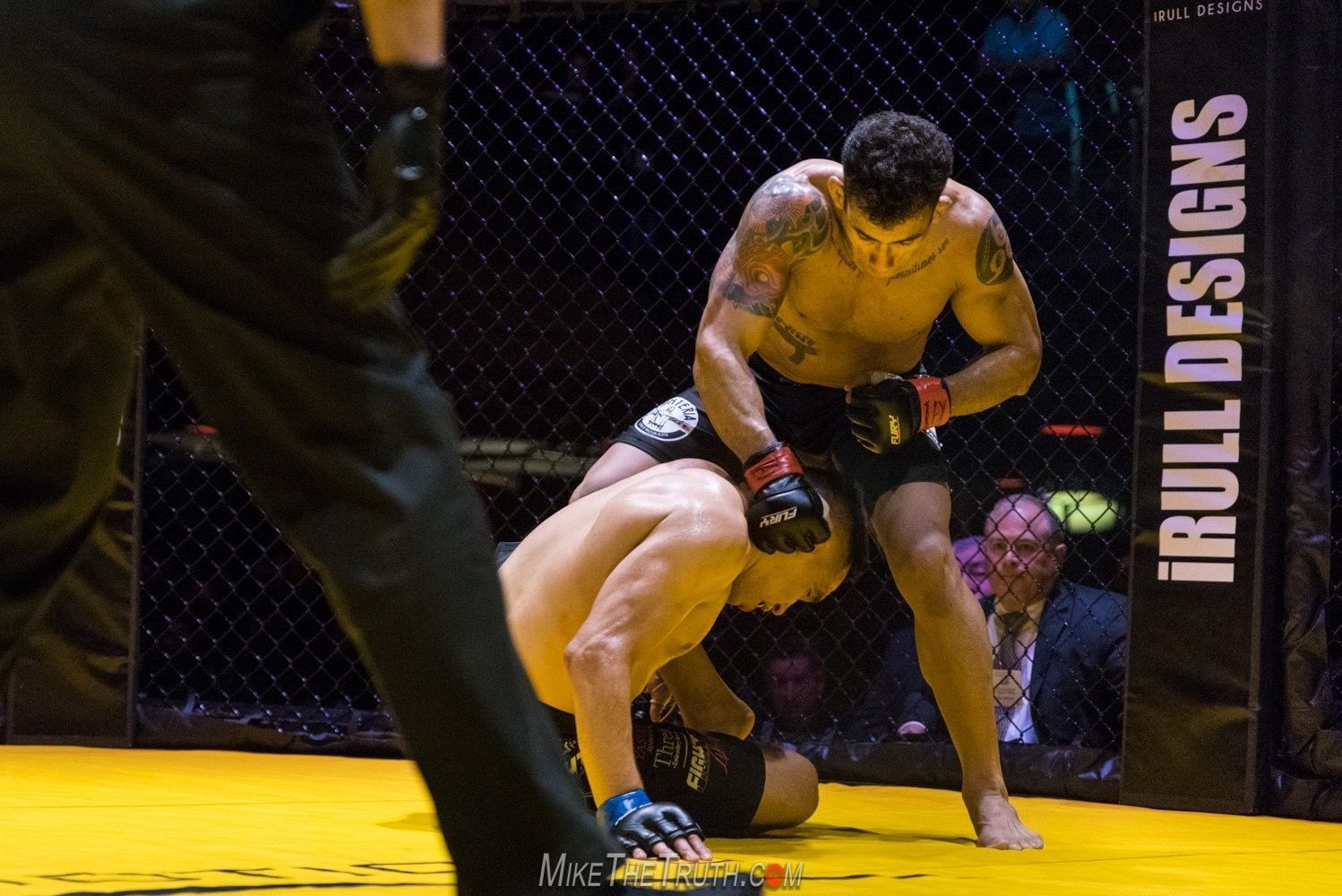
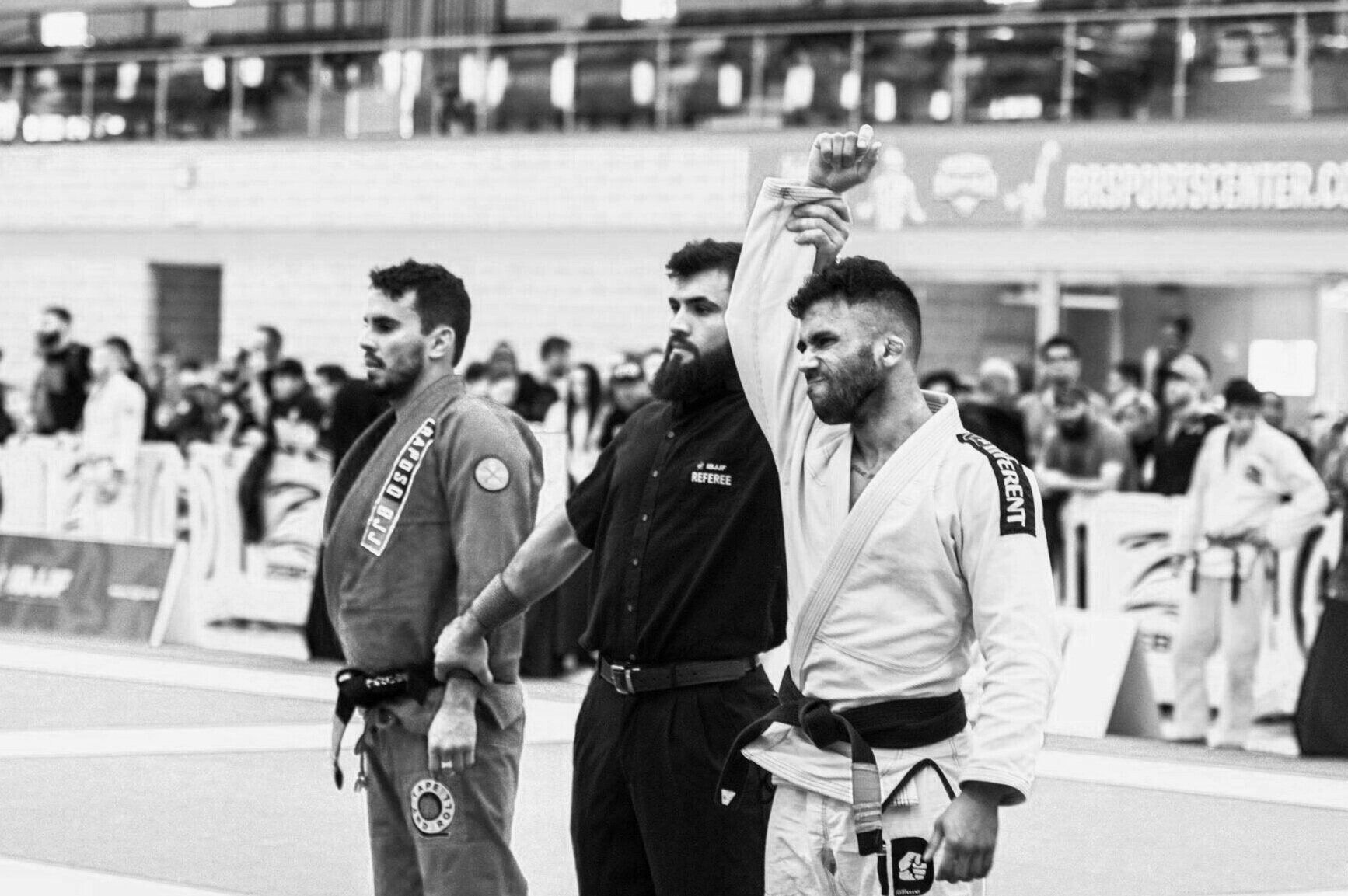
Life can feel a lot like being stuck under a Coach PoneY Side Control — heavy, suffocating, overwhelming.
The pressure builds.
Your thoughts race.
Everything in you wants to panic.
But panic never helps.
In Brazilian Jiu-Jitsu, the people who panic use energy too quickly, make sloppy decisions, and end up exhausted — physically and mentally.
The calm practitioner sees options the overwhelmed one doesn’t.
And that lesson is life-changing:
When you learn to calm your mind under pressure, you unlock clarity, control, and confidence.
This is why BJJ isn’t just a physical practice — it’s mental and emotional training.
Stress Doesn’t Break You — Your Response To It Does
Everyone experiences stress.
Bills.
Deadlines.
Relationships.
Parenting.
Unexpected life events.
Internal fears and doubts.
You can’t control everything around you — but you can control how you handle it.
Jiu-Jitsu teaches this through experience, not theory.
When someone is trying to pass your guard, choke you, or set up an armbar, you don’t have time to think about past mistakes or future outcomes — you must be fully present.
This presence is the foundation of emotional regulation.
Breathing: The Bridge Between Chaos and Calm
One of the first lessons in BJJ is simple:
Breathe.
But the truth is, most people only breathe deeply when life is comfortable.
Under stress, breathing shortens — signaling the nervous system to enter fight-or-flight.
On the mat, controlled breathing is survival.
In life, controlled breathing is stability.
Slow breath tells the brain:
“We are safe. We can think. We are not out of options.”
This one habit alone reduces anxiety, panic, and emotional reactivity.
Flow Beats Force — Always
Beginners often try to muscle everything.
They stiff-arm their opponent.
Hold their breath.
Fight every movement.
But the more experienced grappler understands:
Force creates resistance.
Flow creates opportunity.
This is not weakness — it’s intelligence.
The same applies to life:
- The harder you force control, the more stressed you become.
- The more you resist change, the more overwhelmed you feel.
- The more you cling to expectations, the more life feels heavy.
Flow means adapting, adjusting, and responding — not reacting.
It’s strength with softness.
Confidence without urgency.
Motion without panic.
The Mind Learns Through Exposure, Not Avoidance
Avoiding discomfort feels safe — temporarily.
But just like skipping rolls because they’re challenging, avoiding stress doesn’t build resilience — it builds fragility.
Every time you face pressure in Jiu-Jitsu, your nervous system learns:
- “I can handle this.”
- “I can stay calm under pressure.”
- “I am capable of navigating difficulty.”
Over time, situations that once created anxiety now feel manageable.
This is how confidence is built:
Not from comfort — but from controlled exposure.
Stillness Creates Strength
There’s a moment in every hard roll where a quiet shift happens:
Your breathing slows.
Your mind sharpens.
Fear dissolves.
And you become present.
This isn’t just skill — it’s inner peace forming through adversity.
Spiritually, this reflects a biblical truth:
“Be still, and know that I am God.” — Psalm 46:10
Stillness doesn’t mean you stop fighting.
It means you stop fighting yourself.
Mental Strength Is Not the Absence of Pressure — It’s Mastering Pressure
Life will always bring challenges.
But Jiu-Jitsu teaches us something powerful:
Pressure is not the enemy — panic is.
When you learn to:
- Breathe through discomfort
- Adapt rather than resist
- Slow down instead of rush
- Think instead of react
You don’t just become a better martial artist — you become a stronger human being.
Final Thought
The mat isn’t just a place to train your body.
It’s a place to train your spirit, your patience, your emotional control, and your identity.
Because eventually, you realize:
When you stop trying to overpower life… you learn how to navigate it with confidence, peace, and purpose.
Flow over force — on the mat, and everywhere else.