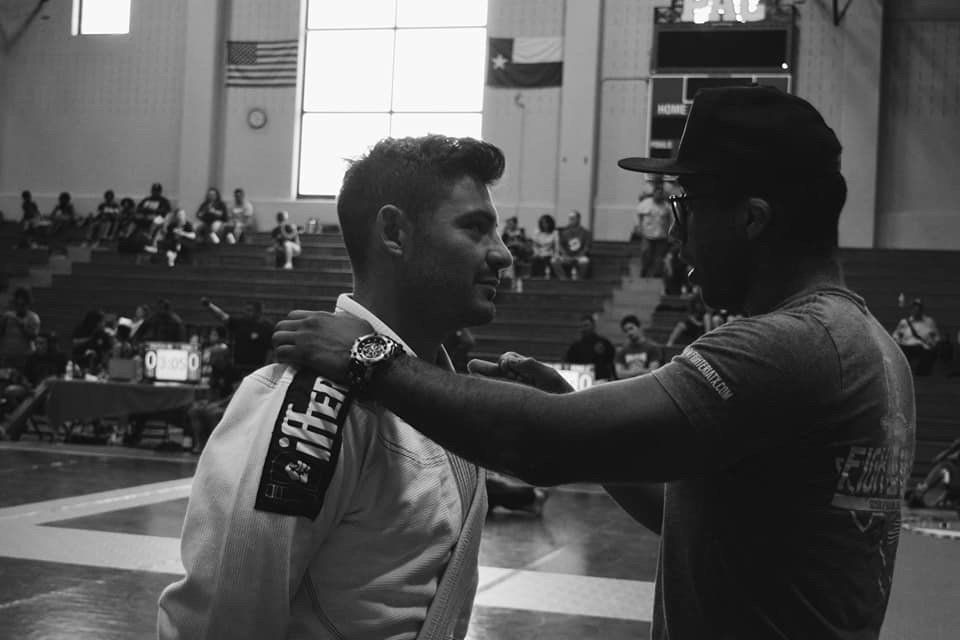
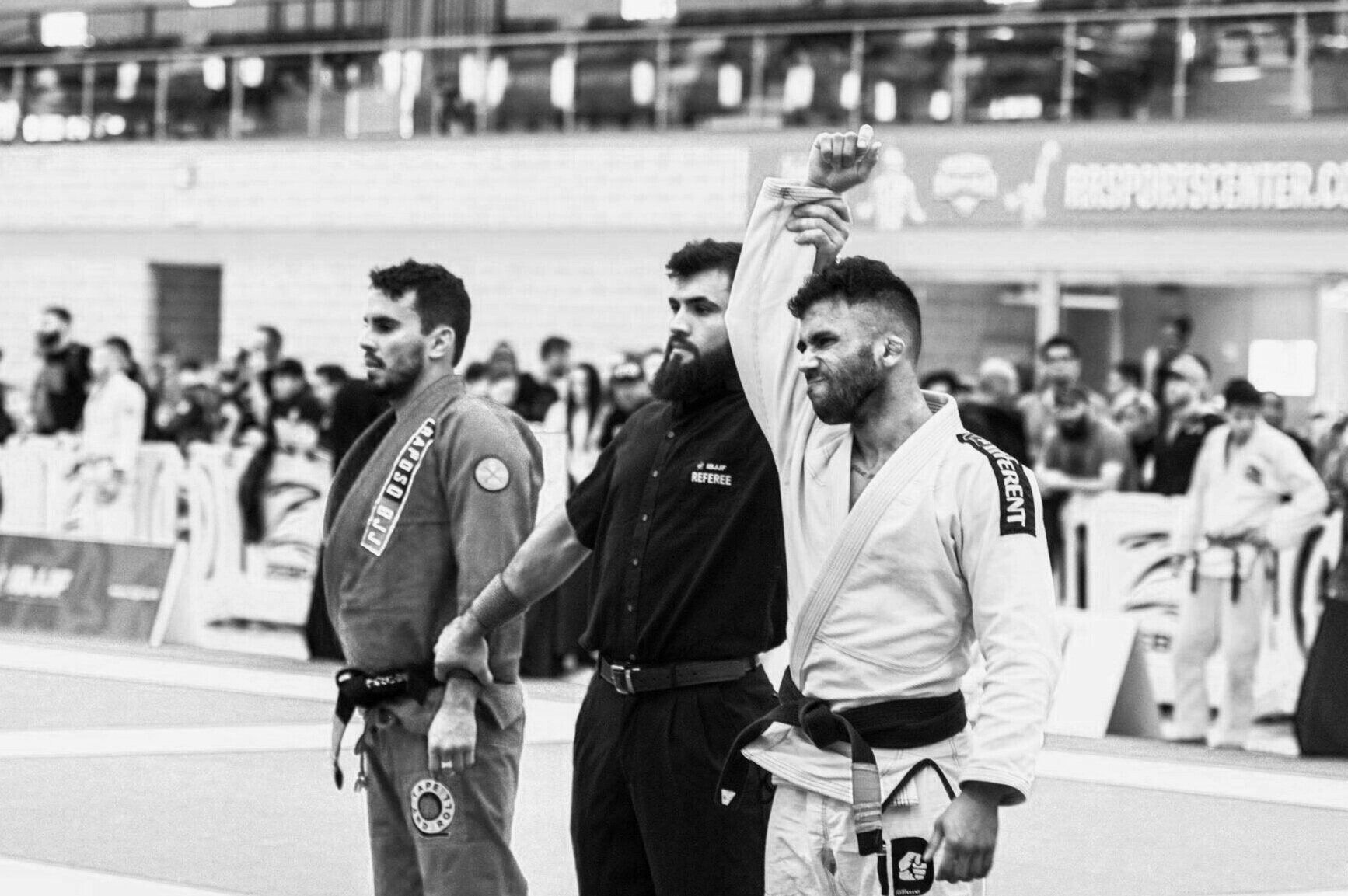
There’s a moment in every Brazilian Jiu-Jitsu class where someone gets caught — not by accident, but with technique and precision — and suddenly, they’re forced to make a decision:
Fight with ego…
or tap and learn.
That moment reveals more about a person than their skill level.
It shows how they handle conflict, humility, pressure, and vulnerability.
And surprisingly, those same lessons are the foundation of healthy relationships.
Whether marriage, parenting, friendship, or community — the way we treat people when things get uncomfortable determines the strength of the connection.
Why Losing Teaches More Than Winning
Winning feels good — it boosts confidence and momentum.
But losing… losing exposes:
- Pride
- Insecurity
- Impatience
- Emotional triggers
- And the belief that being wrong makes us weak
On the mat, you are forced to face those reactions — not with excuses, but with honesty.
In relationships, many people protect their ego more than the connection:
- “I’m right.”
- “You need to change.”
- “I shouldn’t have to apologize.”
But just like rolling with a more technical partner — resisting everything only makes things worse.
Sometimes the strongest thing you can do is pause, breathe, and acknowledge:
“I don’t know everything, but I’m willing to learn.”
That mindset reduces conflict and builds connection.
Tapping Isn’t Quitting — It’s Wisdom
People unfamiliar with Jiu-Jitsu sometimes view tapping as defeat.
Truth is, tapping is emotional maturity.
It says:
- “I recognize the position.”
- “I accept the reality.”
- “I live to try again.”
In relationships, the “tap” looks like:
- Apologizing without defending yourself
- Listening before responding
- Choosing peace instead of proving a point
- Letting go of being right to protect love
The goal isn’t to dominate — it’s to grow.
Pressure Creates Perspective
Pressure testing techniques in BJJ builds the ability to think clearly while uncomfortable.
The same is true in emotional connection.
When the heat rises — an argument, a misunderstanding, a disagreement — most people react from emotion, not wisdom.
But the mat teaches you to slow down.
To breathe.
To notice your reactions.
To stay present instead of panicking.
That skill — emotional regulation under pressure — transforms marriages, parenting, and friendships.
You stop acting from the wound…
and start responding from wisdom.
Vulnerability Builds Trust
One of the most profound things about Jiu-Jitsu is this:
To train honestly, you must allow someone else to challenge you.
You must risk losing.
Risk being seen.
Risk revealing your limits.
That same vulnerability is required for deep relationships.
Walls protect you from pain — but they also block connection.
Strong relationships demand the courage to say:
- “This hurt me.”
- “I don’t know what to do.”
- “I need support.”
- “I was wrong.”
Just like on the mat, the moment you stop hiding… you start growing.
Children Learn Confidence Through Controlled Defeat
Parents often think confidence comes from praise and encouragement.
But confidence is actually formed through:
- Struggling
- Failing
- Adjusting
- Trying again
A child who learns to lose gracefully becomes a teenager who handles life with resilience.
A child who taps without shame becomes an adult who apologizes without ego.
A child who learns patience under pressure becomes a person capable of building healthy relationships.
Jiu-Jitsu doesn’t just build muscles — it builds maturity.
The Lesson: Protect the Relationship, Not the Ego
If Jiu-Jitsu teaches anything, it’s this:
You don’t have to win every exchange to succeed — you just have to grow from every exchange.
In relationships, the goal isn’t to dominate or avoid conflict.
The goal is unity.
The goal is understanding.
The goal is becoming better together.
Final Thought
One day, you realize something powerful:
You’re not losing…
you’re learning.
And when you learn to fall well — whether on the mat or in life — you rise stronger, wiser, and more connected than before.